

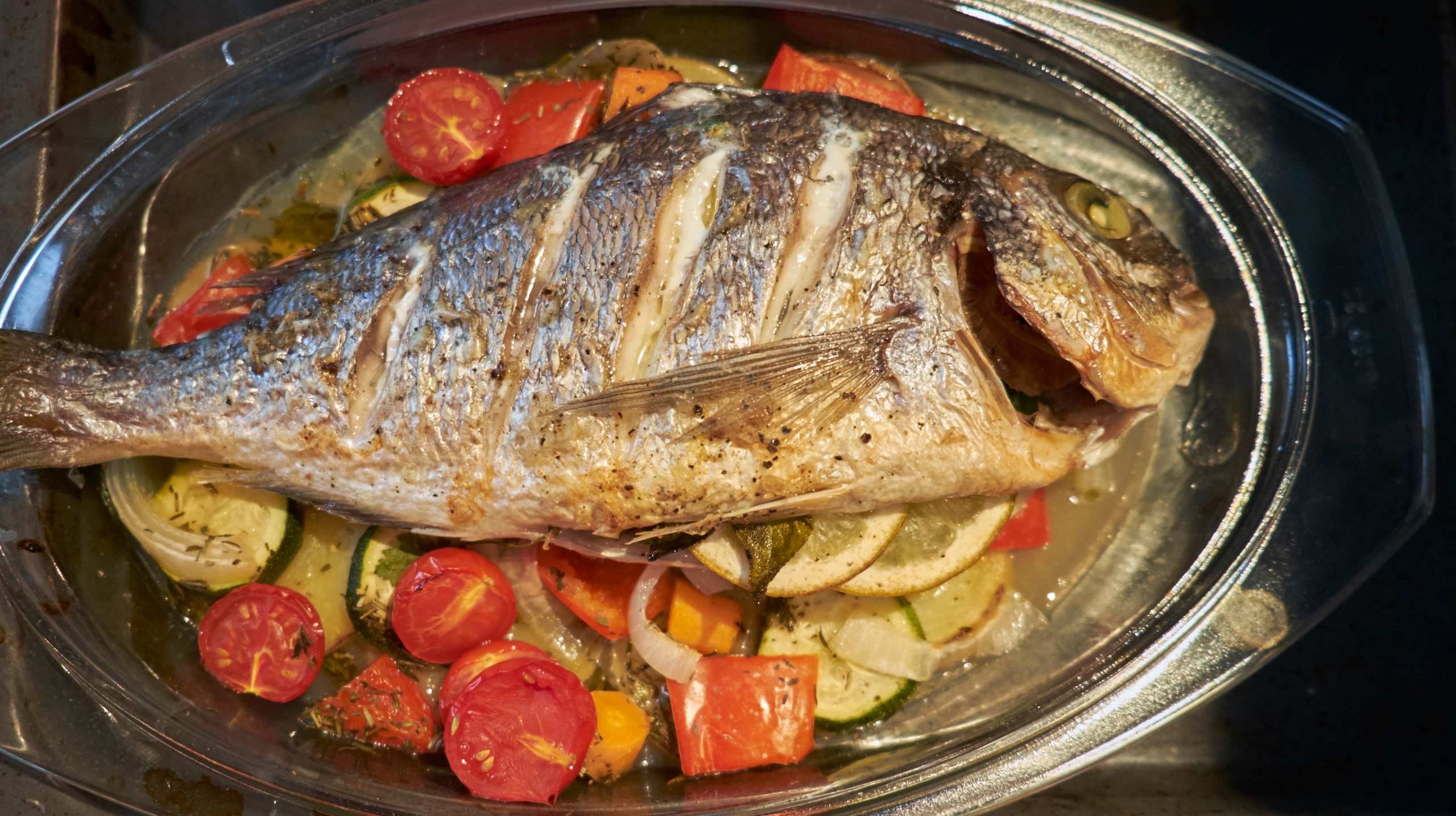
When we think of Christmas, we think of the dinner table. In many Spanish-speaking countries, the undisputed main courses during this time are fish and seafood: from prawns and sea bream to salmon and sea bass.
However, the high demand in December puts immense pressure on wild fisheries. This is where responsible aquaculture comes in: the farming of the sea that, when done correctly, allows us to enjoy the tradition without emptying the oceans.
Why is Aquaculture necessary?
The FAO has warned that over 30% of the world’s fish stocks are overexploited. Extractive fishing has biological limits that have already been reached for many species. Aquaculture, the cultivation of aquatic organisms, is now more than an option: it is a complementary necessity. Currently, more than 50% of the fish consumed worldwide comes from aquaculture (SOFIA, FAO).
What Does “Responsible Aquaculture” Mean?
Not all aquaculture is the same. To be sustainable and trustworthy, it must meet strict criteria, such as those established by the ASC:
- Sustainable Feed: Use of feed that reduces dependence on wild fishmeal and includes vegetable or circular-source ingredients.
- Animal Welfare: Adequate densities, lower stress, and reduced use of antibiotics.
- Minimal Impact: Responsible waste management and respect for local biodiversity.
- Traceability: The ability to track the fish from egg to your plate.
Christmas Classics with Farmed Alternatives
- Sea Bream (Besugo) and Gilt-head Bream (Dorada): Mediterranean farmed sea bream and sea bass are fresh, local, and have a lower carbon footprint.
- Prawns and Shrimp (Langostinos y Camarones): Responsible aquaculture protects mangroves and ensures adequate water treatment.
- Salmon: An efficient protein with a lower environmental impact if it comes from certified farms.
Guide to Making the Right Choice
- ASC Seal: Guarantees strict environmental and social standards.
- National Origin Seals: Such as “Crianza de Nuestros Mares” (Bred in Our Seas), which ensures freshness and a lower carbon footprint.
- Labeling: Look for “Farmed” or “Aquaculture” and the country of origin.
Responsible aquaculture is the present-day reality that allows access to healthy protein. This Christmas, choosing certified aquaculture fish is a vote in favor of letting wild fisheries rest and ensuring fish for future generations.
At Dibaq, we take responsible aquaculture a step further. Our philosophy combines innovation, animal welfare, and cutting-edge nutrition, using sustainable raw materials and advanced technologies so that the fish that reaches your table is healthier, tastier, and has a lower environmental impact.
Enjoying your favorite fish this holiday season can also be a sustainable act. With Dibaq, tradition, quality, and environmental responsibility go hand in hand.