


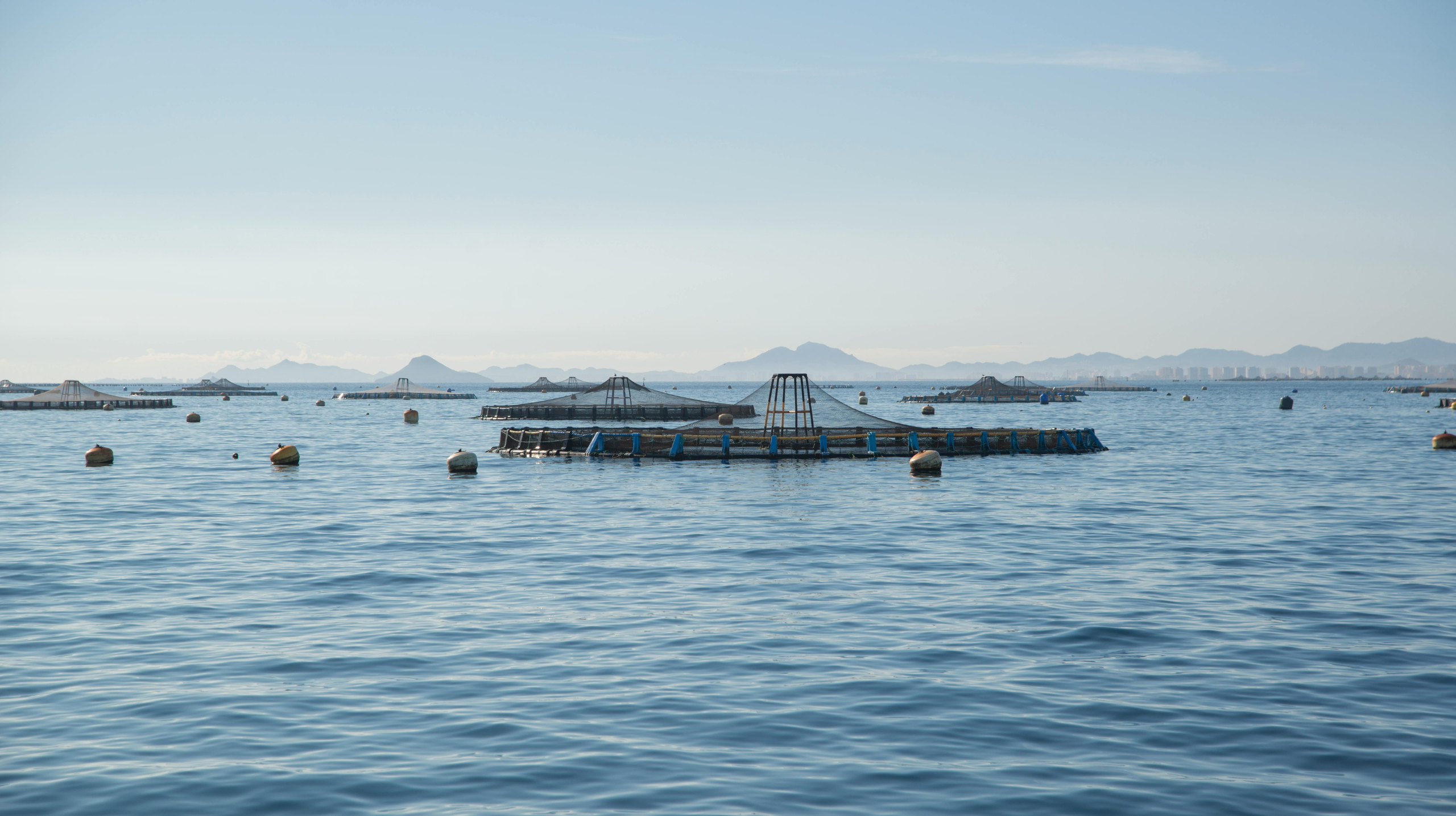
The seafood landscape in the European Union is defined by a paradox: while household spending has reached record figures, real consumption volume shows signs of fatigue due to price pressure. For leading nutrition companies like Dibaq, understanding these dynamics is crucial for anticipating producer needs.
Consumer Spending at Historic Highs
In 2024, EU household spending on fishery and aquaculture products rose to €62.8 billion, representing a 4% increase (€2.7 billion more) compared to 2023.
- Reason for growth: This increase is not due to eating more fish, but rather to the high price levels that have persisted since 2020.
- Consumption trend: Household purchases of fresh fish have fallen by more than 25% since 2020, dropping 5% between 2023 and 2024 alone.
Snapshot of EU Aquaculture Production
Aquaculture production is the engine of stability for the European supply, although 2023 was a year of adjustments:
- Volume and Value: In 2023, production reached 1.04 million tonnes, with a value of €4.76 billion.
- Market Dynamics: Although volume fell by 4%, the value remained the second highest of the last decade due to increased production costs.
- Leading Species:
- Mussels: Remain the leader in volume, representing more than a third of total EU aquaculture.
- Trout: This is the number one species in value, with a 20% share of the total market and a 16% growth in value during 2023.
- Salmon: Although per capita consumption dropped slightly in 2023 (2.40 kg per person), it remains significantly higher than the average of previous years.
The Challenge of Costs and Inflation
Producer profitability has been under pressure. Between 2020 and 2025, general food prices rose by 34%.
- Sector Resilience: Despite this, the value of EU aquaculture has grown 35% in real terms since 2014, demonstrating the sector’s ability to adapt to rising raw material costs. ASC Seal: Guarantees strict environmental and social standards.
- Specific Inflation: Fishery and aquaculture products have seen a cumulative price increase of 27.4% in the same period.
Opportunities: Innovation and New Species
The report highlights niches with high growth potential where specialized nutrition is key:
- Algae: EU algae production grew by 14% in 2023. Premium species such as wakame in Spain have reached prices of €0.78/kg, opening new avenues for diversification.
- Market Recovery: Countries such as Poland, Denmark, and Sweden were the only ones that managed to increase their fresh fish consumption volumes in 2024, signaling geographical markets of strategic interest.
The European market is heading toward normalization following post-pandemic volatility. For the producer, the key in 2025 lies in nutritional efficiency to mitigate the impact of final prices and capture value from a consumer who, while spending more, is becoming increasingly selective.
Main Source: European Market Observatory for Fisheries and Aquaculture Products (EUMOFA). (2025). The EU Fish Market – 2025 Edition. European Commission.