


Sustainable Christmas: The Role of Responsible Aquaculture
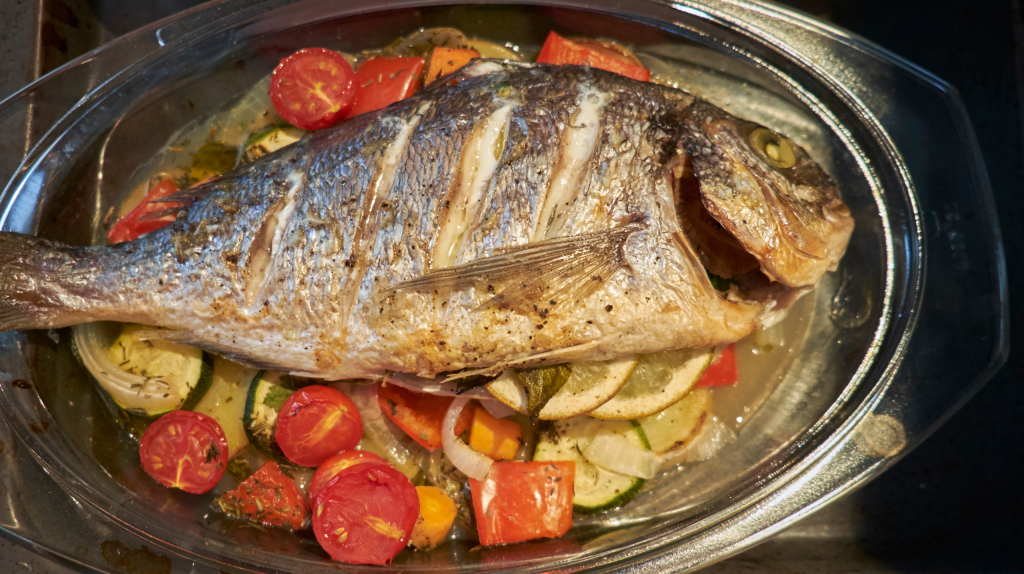
When we think of Christmas, we think of the dinner table. In many Spanish-speaking countries, the undisputed main courses during this time are fish and seafood: from prawns and sea bream to salmon and sea bass. However, the high demand in December puts immense pressure on wild fisheries. This is where responsible aquaculture comes in: […]
Why is aquaculture fish a key source of omega-3?
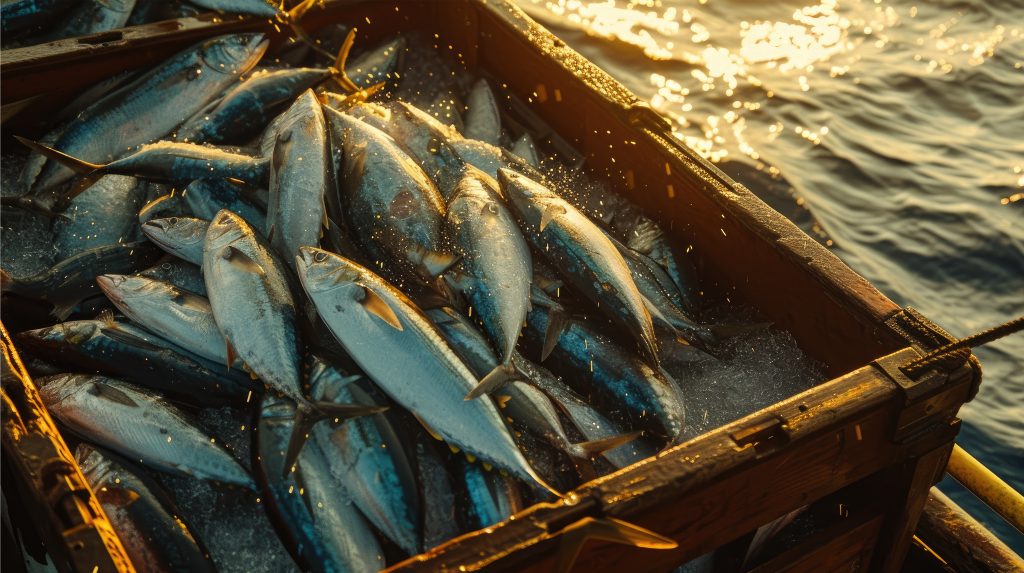
Omega-3 fatty acids, especially EPA (eicosapentaenoic acid) and DHA (docosahexaenoic acid), are essential for various functions of the human body. Our body does not produce them on its own, so we must obtain them through our diet. Fish is one of the richest sources of these nutrients, and sustainable aquaculture allows for a constant and […]
Alternative proteins in aquaculture: how are we reducing dependence on fishmeal?
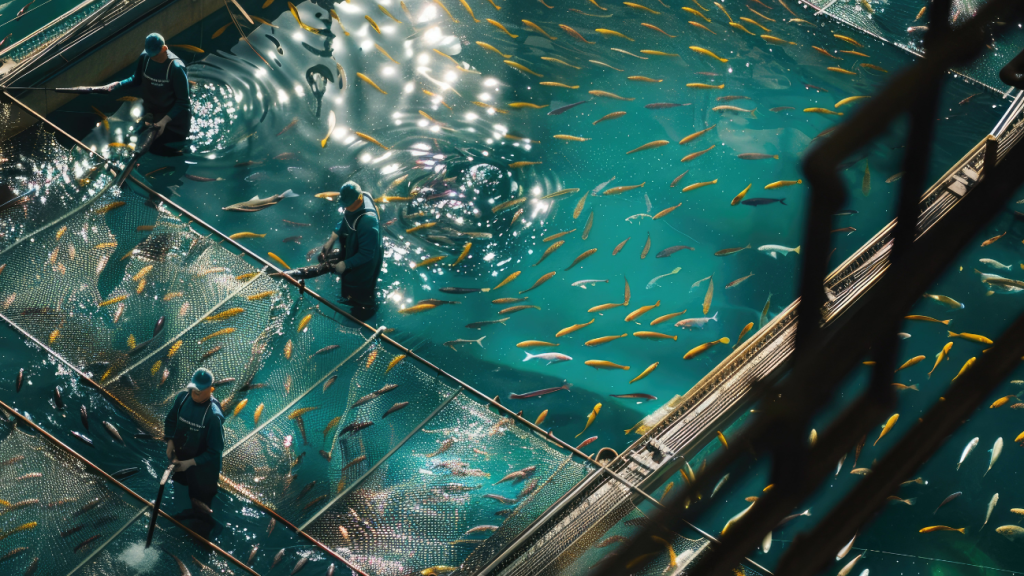
Aquaculture has historically relied on fishmeal as the main protein source in fish feed. However, the sustainability of this practice has been questioned due to overexploitation of marine resources and fluctuating availability and cost of fishmeal. In response, companies such as Dibaq Aquaculture have intensified research and adoption of alternative proteins to reduce this dependence […]
Evolution and perception of aquaculture in Spain
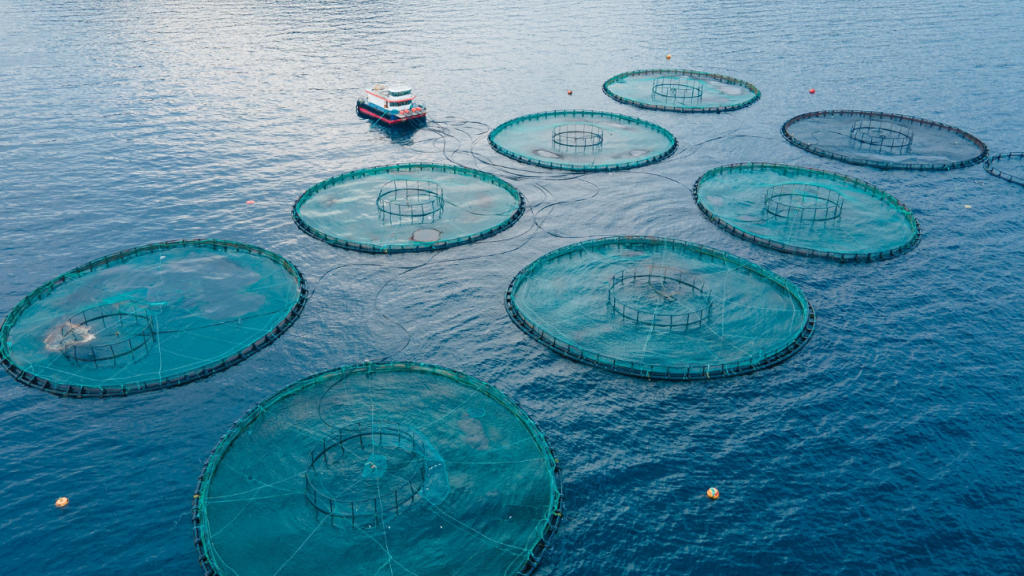
Aquaculture in Spain has undergone significant evolution in recent years, not only in terms of production and technology but also in consumer perception. Traditionally, wild-caught fishing has dominated market trust in key aspects such as quality, taste, and texture of seafood products. However, recent data reflects a gradual shift in the appreciation of aquaculture in […]
Catfish in West Africa
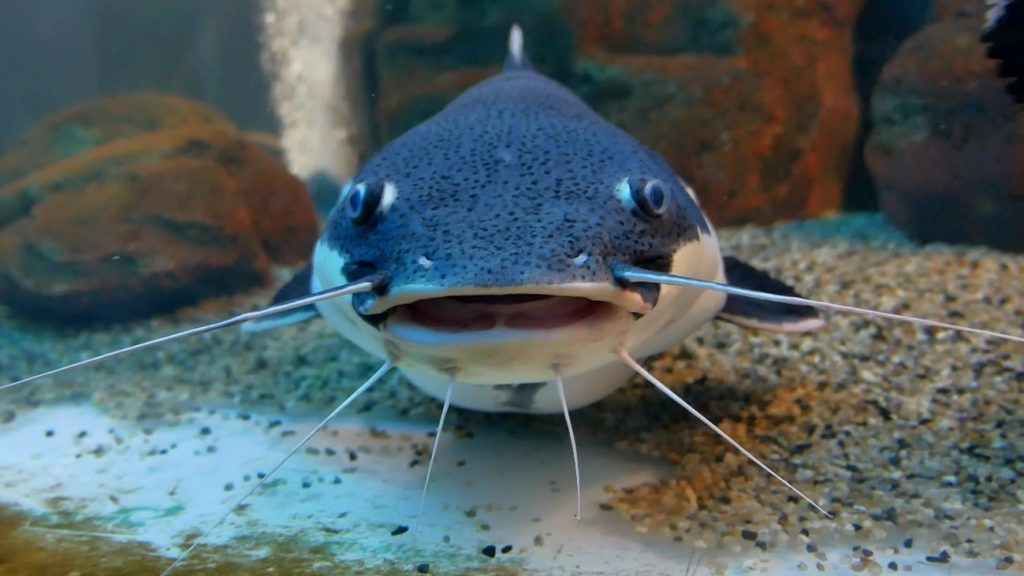
Catfish production has emerged as one of the most important aquaculture activities in West Africa, not only for its contribution to food security, but also for its contribution to local economic development. However, fish farmers in the region face various challenges that make it difficult to obtain optimal yields. Among these, one of the most […]
The high value of fish by-products

Fish intended for direct human consumption is sometimes processed to make the eating experience easier and faster for consumers. This processing results in by-products such as heads, viscera, skeletons, and other materials like tails, fins, minced meat, blood, etc. All this raw material can represent between 30% and 70% of the weight of the fish, […]
NIR Technology for Aquaculture feed analysis
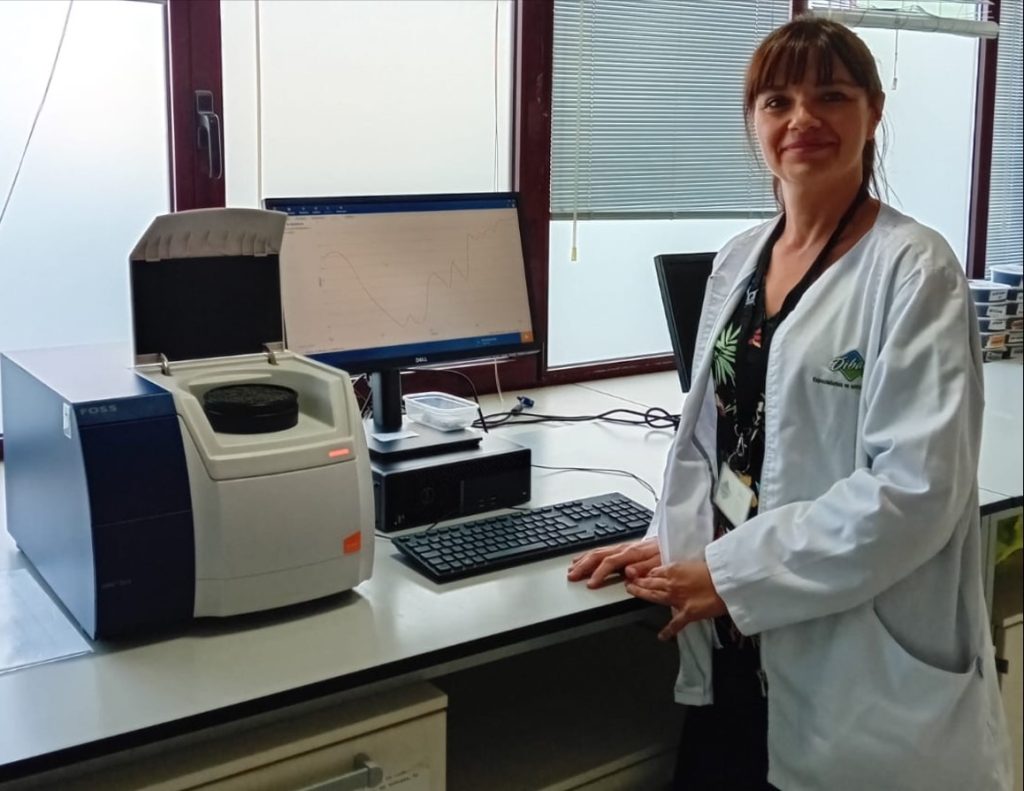
NIR (Near Infrared Reflectance) technology is a spectrophotometric technique based on the emission-absorption of electromagnetic radiation from matter. Electromagnetic radiation is found all around us, from sunlight, electric light, mobile phone signals and radio music. In our case, we use light radiation from a source located in the equipment that emits only a part of […]
Dibaq Aquaculture present at LACQUA 2024

We are pleased to inform you that this year we were part of the prestigious Lacqua 2024 event, held in Medellín, Colombia — a key meeting point for the development and future of aquaculture in Latin America.During the event, our Area Sales Manager Rodrigo Llancabure and Melissa Espejo had the opportunity to share the technological […]
Mitigating the Effects of High-Energy Diets on Fish

The incorporation of high-energy diets in the aquaculture industry has become a common practice to enhance growth and productivity. However, recent studies have shed light on the potential risks associated with excessive lipid levels in fish diets. Understanding and mitigating these effects is crucial to ensure the health and economic viability of farmed fish. Understanding […]
Lactococcus garvieae, a Gram positive very negative.

Lactococcus garvieae is considered the main etiological agent of lactococcosis, a globally distributed disease characterized by haemorrhagic septicaemia in aquaculture species, leading to significant economic losses. The history of pathogenic Lactococcus garvieae clones for fish, dates back more than three decades, when it was first described following a septicaemic outbreak in Japan in marine Seriola […]
DIBAQ in South Korean Aquaculture

Introduction South Korea, a nation with a long maritime history, has seen significant growth in its aquaculture industry in recent decades. Aquaculture plays a crucial role in the South Korean economy, providing food, employment and contributing to international trade. Dibaq has been working on the future challenges of aquaculture in South Korea for years. The […]
The era of precision nutrition: How does “Wellness 360” define aquaculture profitability?
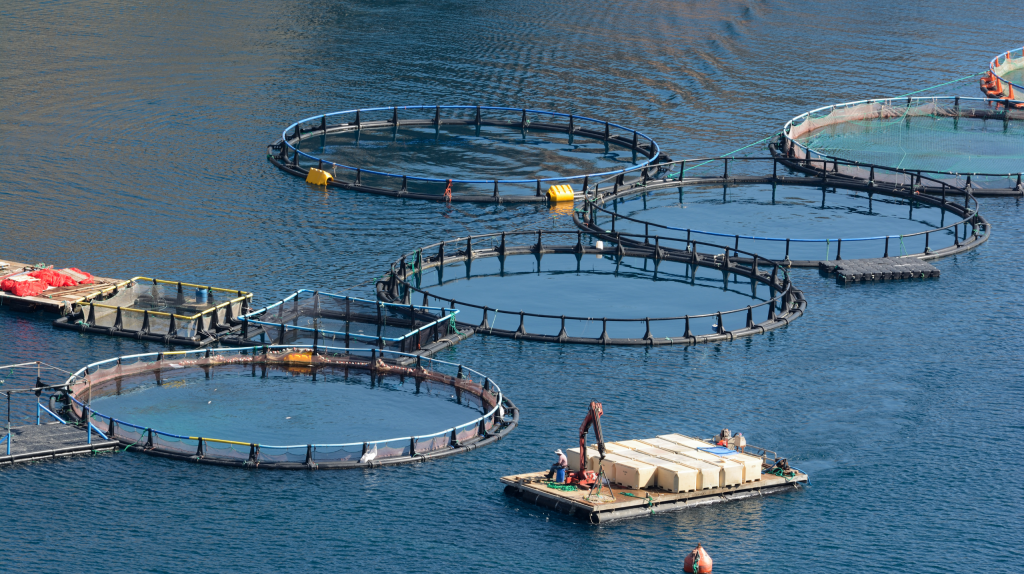
In modern aquaculture, success is no longer measured solely by the biomass obtained, but by the efficiency with which it is achieved. Precision nutrition has gone from being a trend to becoming the cornerstone for ensuring the economic and environmental viability of farms. The concept of “ideal protein” and digestibility Performance begins with biological utilization. […]
The EU Aquaculture Market (2025): Snapshot of a Sector in Transformation
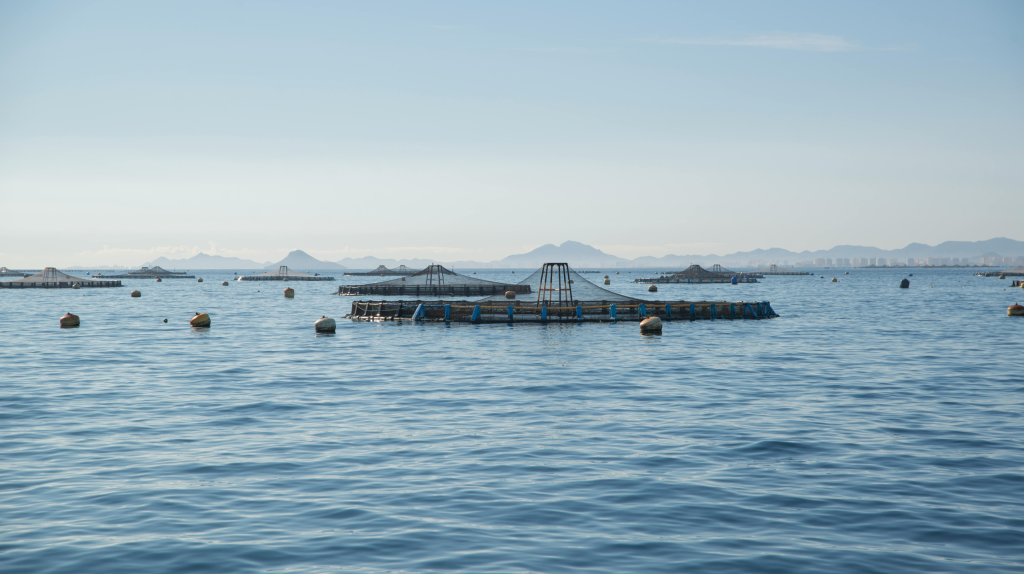
The seafood landscape in the European Union is defined by a paradox: while household spending has reached record figures, real consumption volume shows signs of fatigue due to price pressure. For leading nutrition companies like Dibaq, understanding these dynamics is crucial for anticipating producer needs. Consumer Spending at Historic Highs In 2024, EU household spending […]
Sustainable Aquaculture: The Answer to the Global Quality Protein Challenge
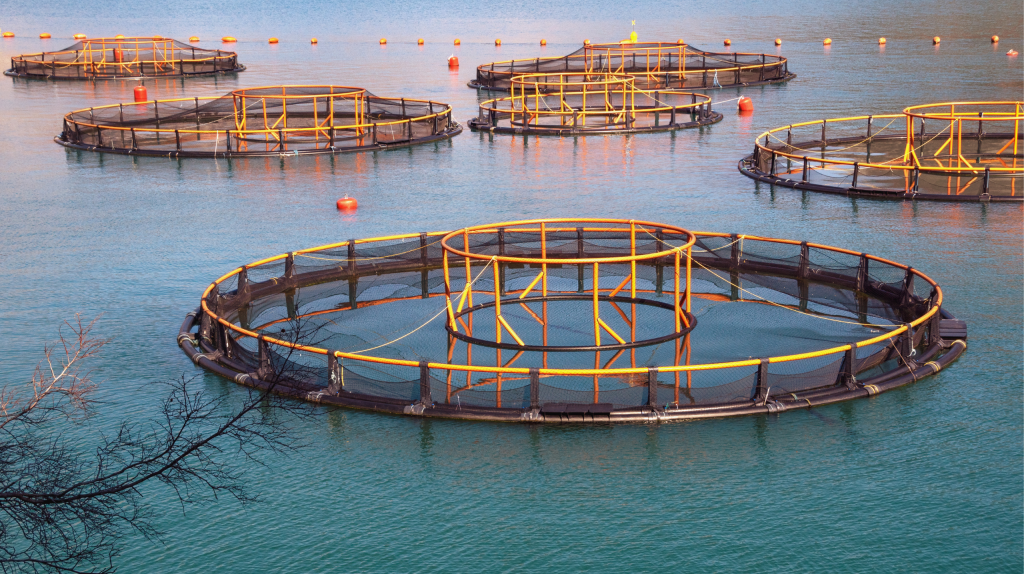
Sustainable aquaculture is the only way to guarantee global food security of high-quality fish protein while respecting our aquatic ecosystems. This is a booming activity that has gone from being the “food of the future” to being the present of food, alleviating pressure on marine resources and ensuring controlled and safe production. The Urgent Call […]
Dibaq and Sustainable Aquaculture: A commitment that goes beyond words
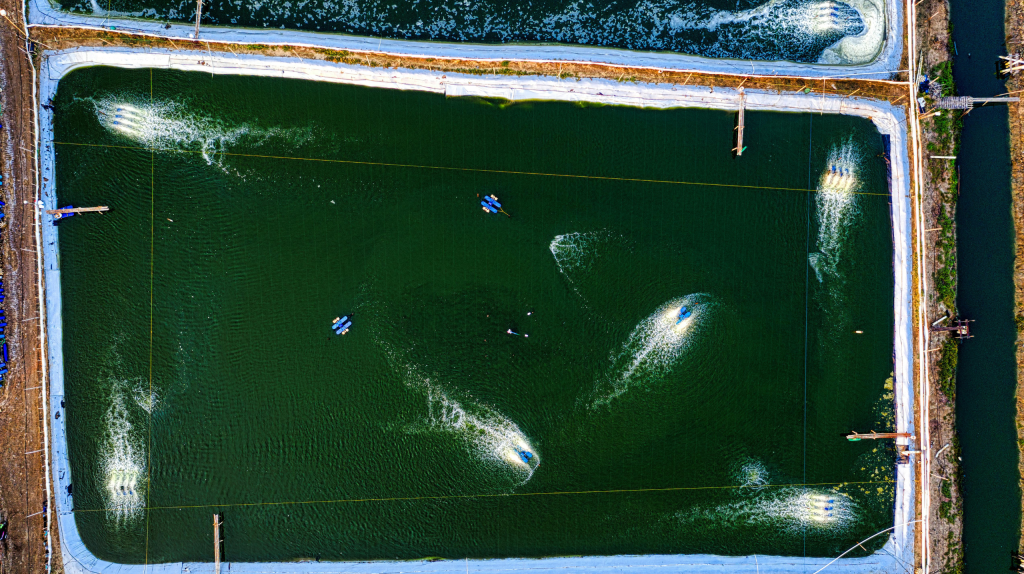
In a world where the demand for animal protein continues to grow, aquaculture has become one of the most promising and efficient solutions. However, at Dibaq, we understand that efficiency must always go hand in hand with respect for the environment and animal welfare. That’s why our philosophy is based on a firm commitment to […]
How does climate change affect aquaculture and what is being done to adapt?

El cambio climático es una de las mayores amenazas ambientales del siglo XXI y su impacto se extiende a múltiples sectores, incluida la acuicultura. Esta actividad, que consiste en la cría controlada de organismos acuáticos como peces, moluscos y algas, es vital para la seguridad alimentaria global. Sin embargo, los efectos del calentamiento global están […]