


The high value of fish by-products

Fish intended for direct human consumption is sometimes processed to make the eating experience easier and faster for consumers. This processing results in by-products such as heads, viscera, skeletons, and other materials like tails, fins, minced meat, blood, etc. All this raw material can represent between 30% and 70% of the weight of the fish, […]
NIR Technology for Aquaculture feed analysis
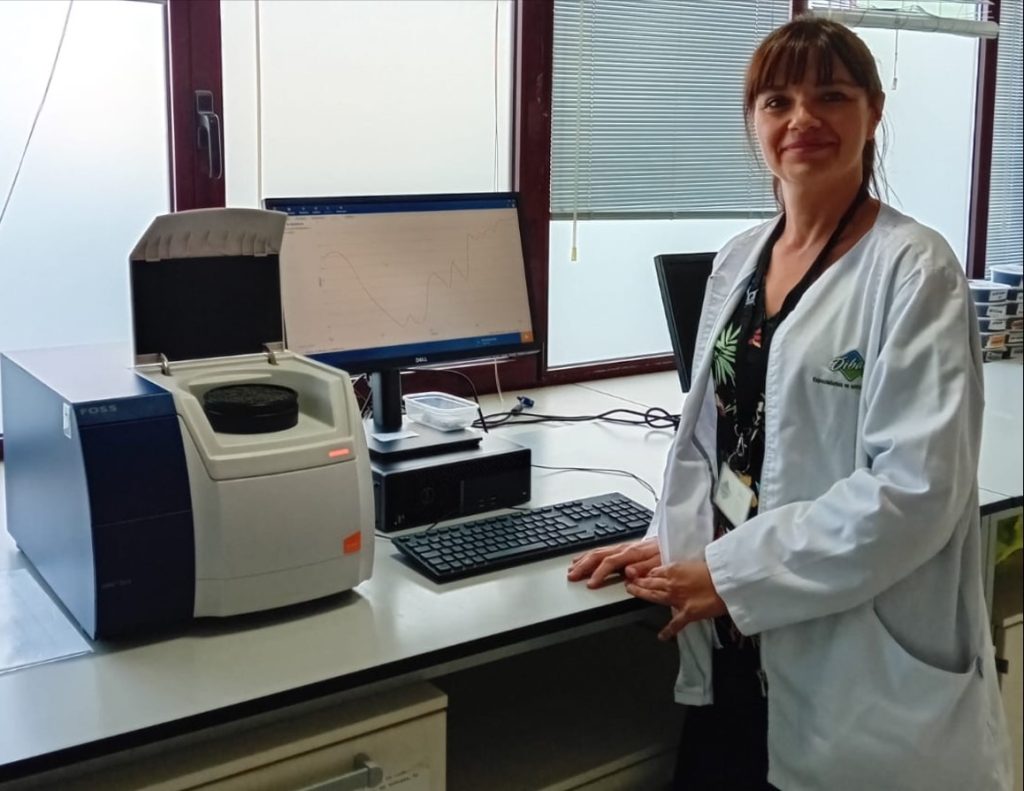
NIR (Near Infrared Reflectance) technology is a spectrophotometric technique based on the emission-absorption of electromagnetic radiation from matter. Electromagnetic radiation is found all around us, from sunlight, electric light, mobile phone signals and radio music. In our case, we use light radiation from a source located in the equipment that emits only a part of […]
Dibaq Aquaculture present at LACQUA 2024

We are pleased to inform you that this year we were part of the prestigious Lacqua 2024 event, held in Medellín, Colombia — a key meeting point for the development and future of aquaculture in Latin America.During the event, our Area Sales Manager Rodrigo Llancabure and Melissa Espejo had the opportunity to share the technological […]
FISH HUB PROJECT: replacement of dietary fish meal by new alternative ingredients.

One of the main challenges of modern Aquaculture is reducing the use of Fish Meal and Fish Oil on fish feed by introducing new ingredients and maintaining the quality of feeds as well as the performance and welfare of fish. DIBAQ, following its innovative policy and with the aim to produce more sustainable and functional […]
Mitigating the Effects of High-Energy Diets on Fish

The incorporation of high-energy diets in the aquaculture industry has become a common practice to enhance growth and productivity. However, recent studies have shed light on the potential risks associated with excessive lipid levels in fish diets. Understanding and mitigating these effects is crucial to ensure the health and economic viability of farmed fish. Understanding […]
Lactococcus garvieae, a Gram positive very negative.

Lactococcus garvieae is considered the main etiological agent of lactococcosis, a globally distributed disease characterized by haemorrhagic septicaemia in aquaculture species, leading to significant economic losses. The history of pathogenic Lactococcus garvieae clones for fish, dates back more than three decades, when it was first described following a septicaemic outbreak in Japan in marine Seriola […]
DIBAQ in South Korean Aquaculture

Introduction South Korea, a nation with a long maritime history, has seen significant growth in its aquaculture industry in recent decades. Aquaculture plays a crucial role in the South Korean economy, providing food, employment and contributing to international trade. Dibaq has been working on the future challenges of aquaculture in South Korea for years. The […]
FOR OUR PLANET

There is no doubt that the sustainable development of the aquaculture sector is the highest priority of all those involved in this process. Raw materials are not inexhaustible and obviously their use requires rationality and best practices. While the need for marine proteins is constantly increasing, targeted actions are needed that result in […]
THE EMERGING RISK OF PFA’S

European and therefore Spanish legislation is reviewing maximum content limits and intensifying the control of certain undesirable substances in food, to increase and improve the food safety of the products we consume. One of the substances that is being focused on is PFA’s (PerFluoroAlquilated substances). Clear examples of this interest are Recommendation (EU) […]
EXPLORING NEW HORIZONS AND PERSPECTIVES FOR THE PORTUGESE AQUACULTURE INDUSTRY

We are pleased to share our participation in the recent XXIII Aquaculture Seminar and in the OmegaPeixe WorkShop, an event that brought together experts from the Portuguese industry to discuss strategies that promote the sustainability, competitiveness and diversification of the sector. Both meetings brought together professionals and creative minds from the country’s aquaculture, with […]